The world of children’s literature often serves as a mirror reflecting the complexities of life and the inevitable challenges that come with it. One of the standout series in contemporary kids’ literature is “The Last Kids on Earth,” authored by Max Brallier. In its tenth installment, the narrative continues to explore themes of resilience, friendship, and survival in a post-apocalyptic setting. This article delves into the multifaceted theme of resilience as presented in “The Last Kids on Earth Book 10,” examining how the characters embody this quality and the lessons they impart to young readers.
Understanding Resilience in a Post-Apocalyptic World

Resilience is often defined as the capacity to recover quickly from difficulties and adapt in the face of adversity. In “The Last Kids on Earth Book 10,” this theme is woven intricately through the experiences of the main characters as they navigate a world overrun by monsters and chaos. The resilience displayed by the protagonists serves not only as a survival mechanism but also as a source of inspiration for readers who may face their own challenges.
The Characters: Pillars of Resilience
The series features a diverse cast of characters, each contributing uniquely to the theme of resilience. The protagonists, Jack, Quint, June, and Dirk, embody various aspects of resilience, showcasing how different traits can help individuals cope with adversity.
- Jack: As the leader of the group, Jack exemplifies emotional resilience. He often takes the initiative to motivate his friends, demonstrating that maintaining a positive outlook can foster collective strength.
- Quint: The brains of the group, Quint illustrates intellectual resilience. His innovative thinking allows the group to devise creative solutions to seemingly insurmountable problems, emphasizing the importance of adaptability.
- June: Representing social resilience, June strengthens the bonds within the group. Her ability to empathize and connect with her friends showcases how supportive relationships can enhance resilience.
- Dirk: Dirk’s physical resilience is evident through his bravery and willingness to face danger head-on. He embodies the idea that physical strength can be a crucial asset in overcoming challenges.
The Trials and Tribulations of the Journey
Throughout “Book 10,” the characters face various challenges that test their resilience. These trials range from battling monstrous creatures to dealing with the emotional fallout of their situation.
- Confronting Monsters: The group frequently encounters terrifying monsters that symbolize the external challenges of their reality. Their ability to confront these creatures head-on reinforces the idea that facing one’s fears is an essential aspect of resilience.
- Overcoming Personal Loss: As the series progresses, the children grapple with the loss of friends and family. Their journey illustrates that resilience is not just about physical survival but also about emotional healing and coping with grief.
- Building a New Community: The characters work together to establish a semblance of community in a chaotic world. This highlights the importance of collective resilience and how collaboration can lead to strength in numbers.
Lessons on Resilience for Young Readers
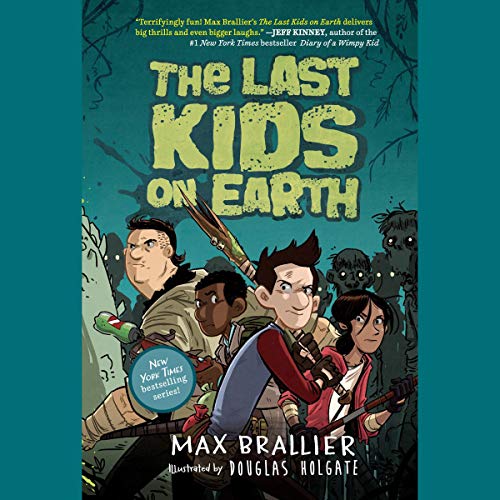
“The Last Kids on Earth Book 10” serves as a powerful tool for teaching resilience to children. The experiences of the characters provide valuable lessons that can be applied in real-life situations.
1. Embracing Change

One of the fundamental lessons from the book is the importance of embracing change. The characters must adapt to their new reality, learning that change is a constant factor in life. This is a critical lesson for young readers, who often struggle with transitions in their own lives, such as moving to a new school or adjusting to family changes.
2. The Power of Friendship
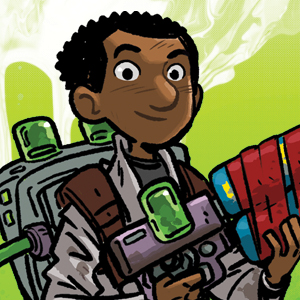
The friendships among the characters illustrate that resilience is often bolstered by social support. Young readers learn that having a solid support network can make challenges feel less daunting. The group’s camaraderie showcases how working together and sharing burdens fosters a sense of belonging and strength.
3. Problem-Solving Skills
Each challenge the characters face requires creativity and critical thinking. This encourages readers to develop their problem-solving skills, teaching them that resilience often involves finding innovative solutions to difficult situations.
4. Maintaining a Positive Outlook
Jack’s leadership and optimism remind readers of the importance of maintaining a positive mindset, even in dire circumstances. This is an essential takeaway for children, who may encounter obstacles that seem overwhelming.
Real-World Applications of Resilience

Resilience is not just a theme in literature; it has real-world applications that are increasingly recognized in psychology and education. Studies show that resilience can significantly impact a child’s ability to cope with stress, adapt to change, and achieve success in various aspects of life.
The Science Behind Resilience
The concept of resilience has been extensively studied, with researchers identifying several key factors that contribute to it:
- Emotional Regulation: The ability to manage one’s emotions effectively is crucial for resilience. Children who can express their feelings in healthy ways tend to cope better with adversity.
- Social Skills: Having strong social skills allows children to build supportive relationships, which are vital for emotional support during tough times.
- Self-Efficacy: Believing in one’s abilities boosts resilience. Children who feel capable of overcoming challenges are more likely to persist in the face of difficulties.
The Enduring Legacy of Resilience

“The Last Kids on Earth Book 10” offers a rich exploration of resilience through its engaging characters and their adventures in a chaotic world. By facing their fears, building supportive relationships, and adapting to change, the characters provide young readers with valuable lessons that extend beyond the pages of the book. Resilience is a quality that can be cultivated and nurtured, and literature like this serves as an essential tool in helping children understand its importance. As they navigate their own challenges, the lessons learned from Jack, Quint, June, and Dirk will resonate, reminding them that resilience is not just about enduring hardships but thriving in the face of them.